
Commercial Air Distribution
Vent and air-duct cleaning.
Philco inspects the complete commercial air path to find where buildup began, what needs cleaning, and how to reduce its return.
Commercial HVAC Inspection and Cleaning
The Complete Air Path
The visible vent is only part of the system.
Filters help, but they do not remove material already inside HVAC equipment or ductwork.
Philco determines whether buildup is limited to a register or connected to a larger issue upstream.
Inspection creates the correct scope without unnecessary cleaning. Equipment, filtration, moisture, construction history, and duct condition are evaluated together.
Recurring debris near supplies, returns, grilles, or ceilings.
Construction material may enter unprotected air pathways.
Leaks, drainage problems, or moisture near HVAC components.
No reliable history of internal equipment or duct inspection.
The Connected System
Follow the complete air path.
Commercial air moves through connected components. Each affected area should be evaluated as part of one system.
Return air
Air re-enters the system from occupied spaces.
Filtration
Filters capture material before it reaches equipment.
HVAC components
Fans, coils, and cabinets affect system cleanliness.
Ductwork
Internal condition can vary throughout the facility.
Supply air
Conditioned air returns through registers and grilles.
Onsite Evaluation
Define the condition before the work.
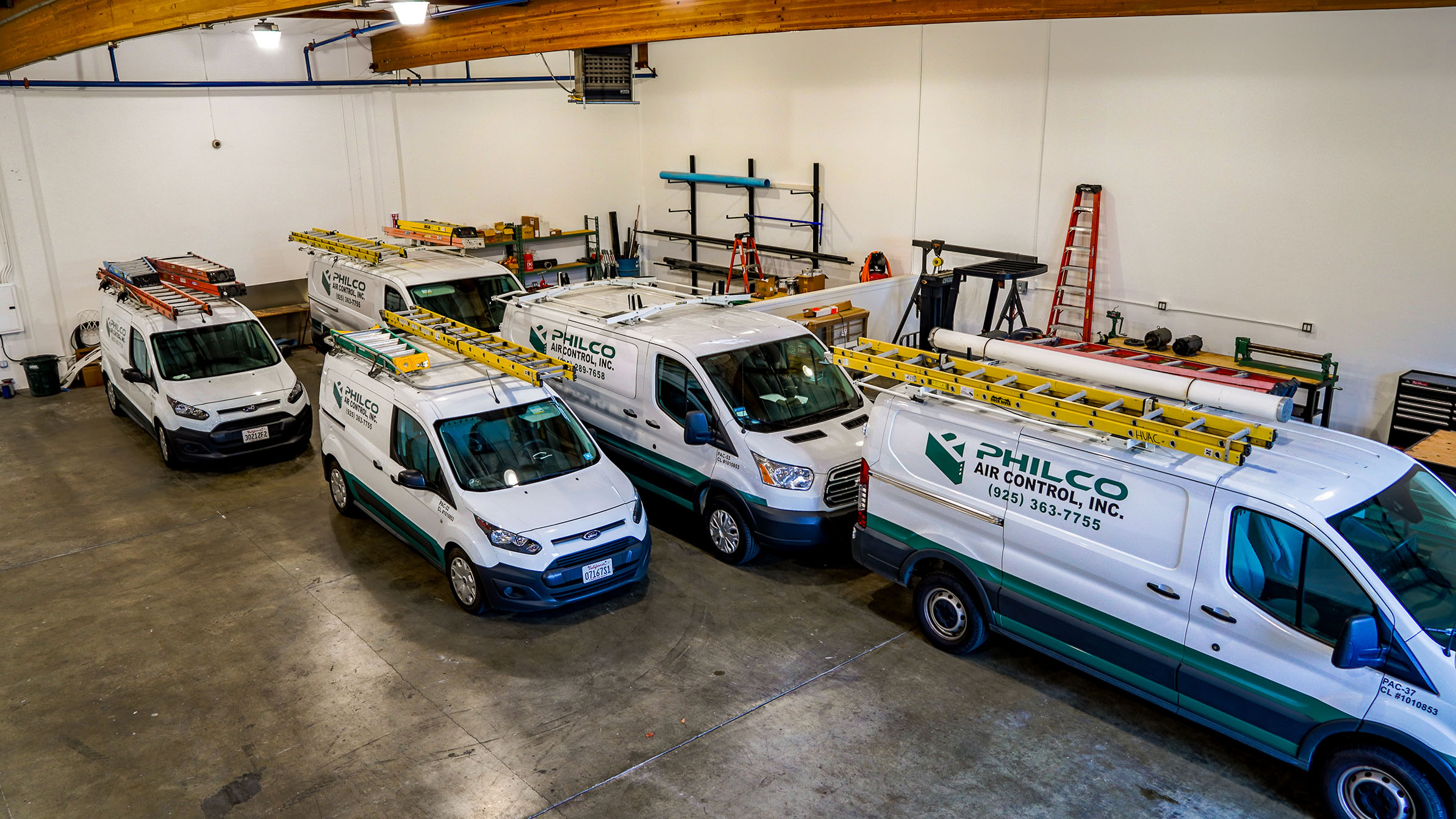
The right scope begins with equipment, ductwork, filtration, moisture, accessibility, and maintenance history.
Philco reviews registers, equipment, and accessible internal surfaces to determine where buildup begins and how far it extends.
Recommendations are based on system design and field conditions, including steps that may reduce recurrence.
The Philco Approach
Inspect. Identify. Clean correctly.
Review the system
Inspect registers, equipment, and accessible surfaces.
Find the source
Review filtration, moisture, construction, and maintenance.
Define the extent
Confirm whether the condition is isolated or upstream.
Match the scope
Clean the areas supported by actual system conditions.
Reduce recurrence
Address conditions that may allow material to return.
Commercial Air Distribution
Vent and air-duct cleaning.
Philco inspects the complete commercial air path to determine where buildup began, what needs cleaning, and how to reduce its return.
Commercial HVAC Inspection and Cleaning
Inspection Comes First
The visible vent is only part of the system.
Filters do not remove material already inside equipment or ductwork.
Philco determines whether buildup is isolated to a register or connected to a larger issue upstream.
Conditions We Evaluate
Register material
Recurring debris near supplies, returns, grilles, or ceilings.
Renovation
Construction material entering unprotected air pathways.
Moisture
Leaks, drainage problems, or condensation near components.
Unknown history
No reliable record of internal equipment or duct inspection.
The Connected Air Path
Follow the complete system.
Return air
Air re-enters from occupied spaces.
Filtration
Filters capture airborne material.
Equipment
Fans, coils, and cabinets affect the path.
Ductwork
Internal condition varies throughout the facility.
Supply air
Air returns through registers and grilles.
Onsite Evaluation
Define the condition first.
The right scope begins with actual field conditions.
Philco reviews equipment, ductwork, filtration, moisture, accessibility, and maintenance history.
The Philco Process
Inspect. Identify. Clean correctly.
Review
Inspect registers, equipment, and accessible surfaces.
Find the source
Review filtration, moisture, and maintenance.
Define extent
Confirm whether the condition extends upstream.
Match scope
Clean only the areas supported by field conditions.
Reduce return
Address conditions that may allow material to return.