

Commercial HVAC Systems
Install for today. Plan for tomorrow.
Philco provides complete commercial HVAC installation, replacement, and upgrade services based on each facility’s equipment, infrastructure, operating requirements, and long-term service needs.
Commercial Installations, Replacements and Upgrades

Built Around the Facility
The right installation begins before equipment is ordered.
Selecting commercial HVAC equipment requires more than matching a model number or choosing the highest efficiency rating.
Philco evaluates the building, existing equipment, heating and cooling requirements, electrical service, controls, ductwork, ventilation, accessibility, occupancy, and operating schedule.
This information helps determine which equipment fits the property, what supporting work is required, and how the completed system should operate.
Invoice pricing on parts and equipment is passed through.
Equipment remains separate from labor and installation.
Connections, installation, startup, and testing are identified.
Installation Services
Commercial systems and supporting work.
Philco’s installation scope is developed around the equipment, building infrastructure, accessibility, system design, and facility requirements.
Packaged rooftop units
Equipment replacement, curb coordination, duct transitions, controls, drainage, and connections.
Split and heat pumps
Indoor and outdoor equipment, refrigerant piping, condensate drainage, electrical, and controls.
VRF and zoned systems
Multi-zone equipment designed around space loads, occupancy requirements, and building operation.
Outside and exhaust air
Ventilation equipment, exhaust systems, make-up air, economizers, and distribution improvements.
Controls and integration
Thermostats, sensors, staging, scheduling, zoning, and coordination with existing systems.
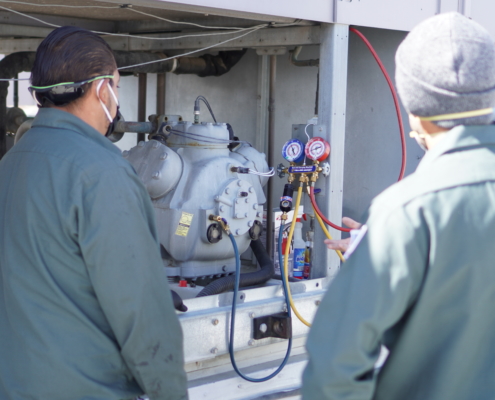
Pre-Installation Evaluation
The building determines the solution.
Plans provide direction. Existing field conditions determine what the installation actually requires.
Philco reviews equipment location, structural access, electrical service, controls, ductwork, airflow, ventilation, refrigerant piping, gas service, condensate drainage, and maintenance access.
This field-first approach helps identify supporting work before the project begins and reduces avoidable installation problems.
The Philco Installation Process
Evaluate. Coordinate. Install. Verify.
Review the facility
Examine equipment, loads, controls, electrical service, access, and operating requirements.
Choose equipment
Identify systems and upgrade options that fit the commercial application.
Prepare the project
Coordinate access, scheduling, mechanical work, electrical connections, and controls.
Complete the work
Remove replaced equipment and install new equipment, connections, controls, and accessories.
Start and test
Check safety controls, airflow, heating, cooling, thermostat response, and operating sequence.
Complete Project Scope
More than setting new equipment.
Commercial HVAC installations may require mechanical, electrical, control, drainage, and air-distribution components to work together.
Existing equipment
Disconnect and remove replaced equipment while protecting occupied areas and surrounding property.
System connections
Duct transitions, refrigerant or gas piping, condensate drainage, supports, and accessories.
Power coordination
Disconnects, wiring, voltage, overcurrent protection, and equipment power requirements.
Operating sequence
Thermostats, sensors, schedules, staging, zoning, economizers, and communication.
System verification
Safety checks, temperature response, airflow review, controls testing, and operation confirmation.
Upgrade Indicators
When equipment deserves evaluation.
Repeated repairs
Increasing repair frequency may justify comparing continued repairs with replacement.
Obsolete equipment
Limited parts availability can make equipment difficult and expensive to maintain.
Changed building use
Renovations, occupancy changes, and schedules can alter HVAC requirements.
Control limitations
Existing controls may not support current staging, zoning, ventilation, or scheduling.
Energy performance
Targeted equipment and control upgrades may reduce unnecessary operating costs.
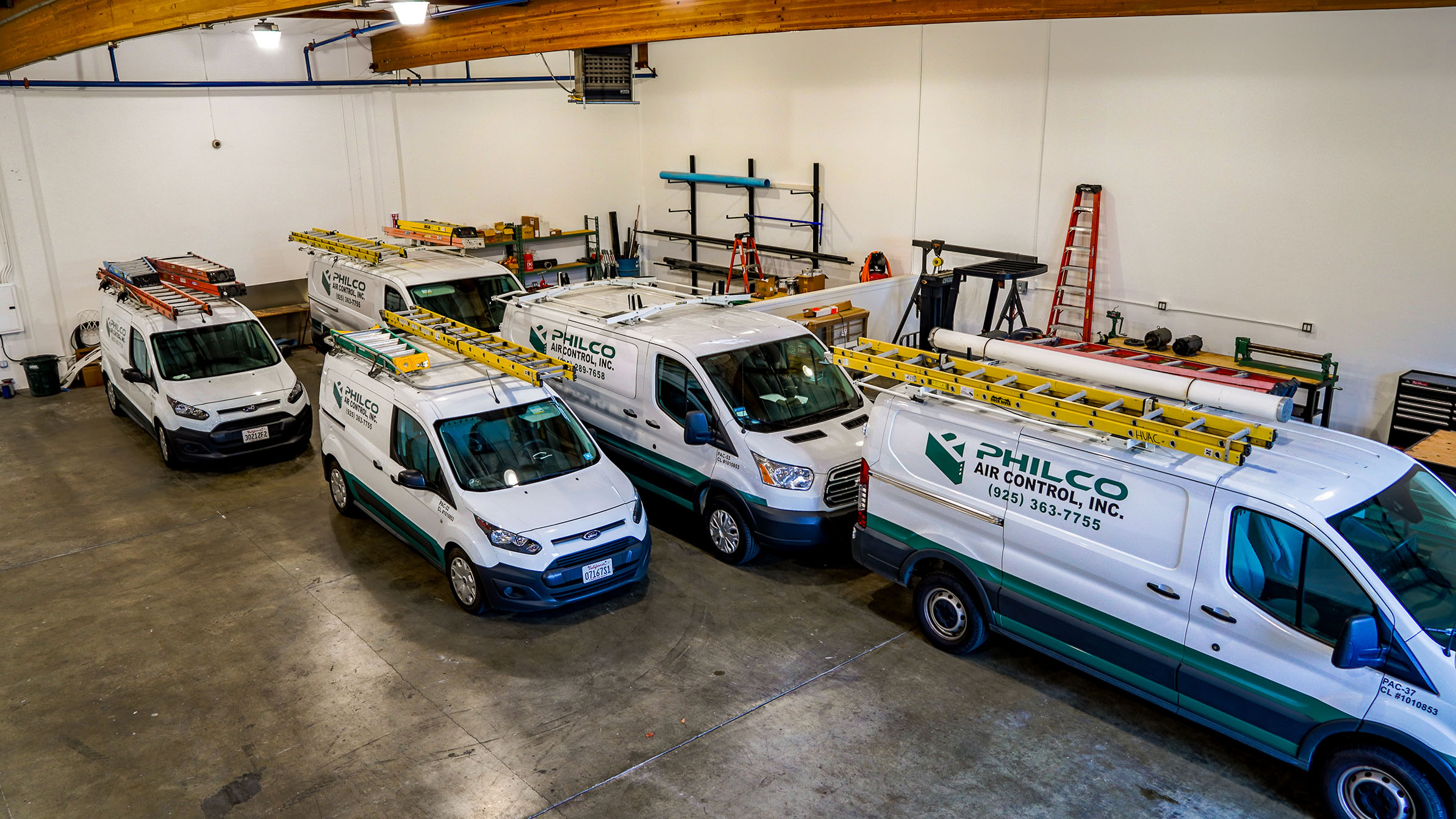
After Installation
Maintenance protects the investment.
New equipment still depends on correct airflow, clean components, working controls, and regular professional service.
Philco plans installations with future access, serviceability, and maintenance requirements in mind.
Preventive maintenance can help preserve performance, identify developing problems, support reliability, and extend equipment life.
Commercial HVAC Systems
Install for today. Plan for tomorrow.
Complete commercial HVAC installations, replacements, and upgrades based on each facility’s infrastructure and operating needs.
Commercial Installations and Upgrades
Planning the Installation
The right installation starts before equipment is ordered.
Equipment selection requires more than matching a model number or efficiency rating.
Philco evaluates the building, equipment, electrical service, controls, ductwork, ventilation, accessibility, occupancy, and schedule.
Installation Services
Rooftop units
Equipment, curbs, transitions, controls, and drainage.
Split systems
Indoor and outdoor equipment, piping, drainage, and controls.
VRF systems
Multi-zone equipment based on individual space requirements.
Ventilation
Outside air, exhaust, make-up air, and economizers.
Controls
Thermostats, sensors, staging, scheduling, and zoning.
Philco Pricing Policy
Clear project costs.
Philco does not add a parts markup.
Invoice pricing is passed through. Equipment remains separate from labor, installation, coordination, startup, and testing.
Pre-Installation Evaluation
The building determines the solution.
Field conditions determine what the installation requires.
Philco reviews equipment location, access, electrical service, controls, ductwork, airflow, piping, drainage, and ventilation.
The Installation Process
Evaluate. Coordinate. Install. Verify.
Review
Examine equipment, loads, controls, access, and requirements.
Choose
Select equipment that fits the commercial application.
Prepare
Plan access, scheduling, connections, and facility needs.
Complete
Install equipment, connections, controls, and accessories.
Test
Check safety controls, airflow, response, and operation.
Complete Project Scope
Removal
Disconnect and remove replaced equipment.
Mechanical
Ductwork, piping, drainage, supports, and connections.
Electrical
Power, disconnects, wiring, and coordination.
Controls
Sensors, schedules, staging, zoning, and operation.
Startup
Safety checks, controls testing, airflow, and verification.
Upgrade Indicators
When equipment deserves evaluation.
Repeated repairs: Compare increasing repair costs with replacement.
Obsolete equipment: Limited parts can reduce reliability.
Changed use: Renovations and schedules can alter HVAC needs.
Control limitations: Existing controls may no longer support the facility.
Energy performance: Targeted upgrades may reduce operating costs.
After Installation
Maintenance protects the investment.
New equipment depends on correct airflow, clean components, working controls, and regular professional service.
Philco plans installations with future access and serviceability in mind.